
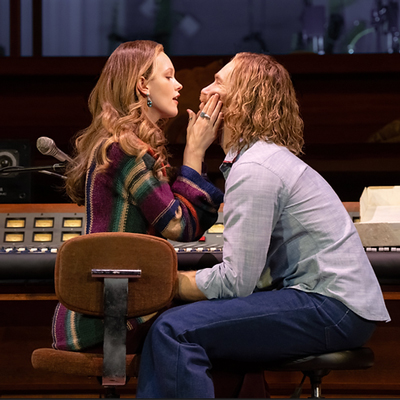
Stereophonic at CIBC Theatre
Stereophonic mines the agony and the ecstasy of creation as it zooms in on a music studio in 1976. Here, an up-and-coming rock band recording a new album finds itself suddenly on the cusp of superstardom. The ensuing pressures could spark their breakup or their breakthrough. Written by David Adjmi, directed by Daniel Aukin, and featuring original music by Arcade Fire's Will Butler, Stereophonic invites the audience to immerse themselves with fly-on-the-wall intimacy in the powder keg process of a band on the brink of blowing up.Set in a Sausalito recording studio, the production follows an unnamed rock band as they spend nearly a year creating a follow-up to their breakthrough album. As their latest single climbs back into the Billboard Top 10, the creative and emotional stakes couldn't be higher. The band's five members navigate the complicated terrain of artistic ambition while their personal relationships threaten to implode. Guitarist and producer Peter, played by Denver Milord, leads the charge with an uncompromising vision that puts him at odds with nearly everyone, particularly his wife Diana, the band's vocalist and tambourinist portrayed by Claire DeJean. Bassist Reg, brought to life by Christopher Mowod, struggles with substance abuse that strains his relationship with keyboardist Holly, played by Emilie Kouatchou. Drummer Simon, performed by Cornelius McMoyler, serves as the band's emotional anchor while missing his family back in England. Rounding out the ensemble are two studio engineers: the stretched-thin Grover, played by Jack Barrett, who falsified his resume to land the gig, and his endearing assistant Charlie, portrayed by Steven Lee Johnson.
What makes Stereophonic truly extraordinary is how it captures the painstaking process of making great art. Audiences are transported into the intimate world of the recording studio where songs are born from conflict, silence becomes a weapon, and love and resentment share the same microphone. The production doesn't shy away from showing the repetitive, exhausting reality of perfecting each note, each lyric, each instrumental layer. This raw authenticity creates a visceral theatrical experience that resonates with anyone who has ever tried to create something meaningful under pressure.
The touring production has received widespread acclaim for its exceptional performances. The cast members are accomplished musicians who play their own instruments live, adding an authentic layer to the production that elevates it beyond traditional theatre. DeJean's vocal performances have been described as powerful yet intimate, never showy but always truthful, with a quality that makes audiences hold their breath when she sings. Kouatchou brings equal vocal authority, her rich sound adding emotional depth to every moment. The chemistry among the ensemble creates richly complex characters that defy simple categorization, with performances that balance fiery intensity with subtle nuance.
The production's design elements have been particularly praised for their authenticity and impact. David Zinn's dual-level recording studio set captures the era perfectly, with wood paneling and a lived-in quality that makes audiences feel like they're actually in a working studio circa 1976. The set design allows for intimate scenes in various corners of the stage while maintaining the sense of a functional recording space. Enver Chakartash's costume design features bell-bottomed jeans, relaxed button-down shirts, and peasant blouses that perfectly establish the mid-seventies vibe, while Robert Pickens and Katie Gell's hair and makeup work adds further period authenticity.
The sound design by Ryan Rumery functions not merely as technical support but as a narrative engine. The careful layering of feedback, silence, repetition, and half-formed melodies serves as emotional punctuation throughout the evening. Audiences hear the evolution of songs as they progress from rough sketches to polished recordings, experiencing the meticulous process of creating an album that will stand the test of time. Jiyoun Chang's lighting design works in harmony with the sound to enhance both the intimate rehearsal moments and the spectacular performance sequences.
Will Butler's original music deserves special recognition. Each song sounds like it could have been a hit single from the era, capturing the essence of 1970s album rock with a pop sensibility that makes it clear why this fictional band is on the verge of superstardom. The music serves the story while also standing on its own as compelling rock compositions that audiences will want to hear again.
Daniel Aukin's direction has earned particular acclaim for its restraint and intelligence. Rather than rushing toward revelation, he allows scenes to breathe and conversations to circle back on themselves organically. The production embraces a Robert Altman-inspired approach with overlapping dialogue, prolonged silences, and a reliance on the audience to piece together relationships and tensions through careful observation. This creates an immersive experience where viewers feel less like observers and more like flies on the wall witnessing intimate moments of creative struggle.
The show has been noted for its raw, unflinching look at how brilliance often emerges through fracture. While the production draws inevitable comparisons to real-life rock band sagas, particularly Fleetwood Mac's tumultuous creation of Rumours, Stereophonic transcends simple imitation to capture something universal about the creative process. It explores how creative pressures can simultaneously destroy relationships and forge transcendent art, how perfectionism can border on obsession, and how the pursuit of artistic excellence demands sacrifices that aren't always sustainable.
Audiences should be prepared for a substantial theatrical experience. At three hours including intermission, Stereophonic demands attention and patience, but those willing to invest the time are rewarded with a theatrical event that feels both epic in scope and intimate in execution. The production doesn't offer easy catharsis or tidy resolutions. Instead, it provides something more valuable: recognition of the messy, complicated, exhausting reality of creating something meaningful alongside other people.
The show's meditation on the creative process extends beyond music to encompass any collaborative artistic endeavor. The tensions between individual vision and group dynamics, the balance between commercial demands and artistic integrity, and the personal costs of pursuing perfection all resonate regardless of one's field. This universality has helped Stereophonic connect with audiences far beyond theatre and music enthusiasts.
Chicago audiences will have a limited opportunity to experience this Tony Award-winning phenomenon from January 27 through February 8, 2026 at CIBC Theatre. With its exceptional cast of actor-musicians, stunning design elements, and profound exploration of creativity under pressure, Stereophonic offers a one-of-a-kind theatrical journey. The production stands as both a love letter to the power of music and an honest examination of what it takes to create art that endures long after the personal wreckage has been cleared away.
For anyone who has ever wondered what it would be like to witness the creation of a legendary album, or for anyone who appreciates theatre that challenges, moves, and transports, Stereophonic delivers an unforgettable experience that captures both the beautiful chaos of artistic creation and the human cost of brilliance. This is the rare theatrical event that manages to be both a masterclass in acting and design while also serving as an authentic, moving portrait of how great art gets made when everything else is falling apart.